
Embedded
Embedded Storefronts
Choose a full commerce integration or a supported standalone surface on your existing site.
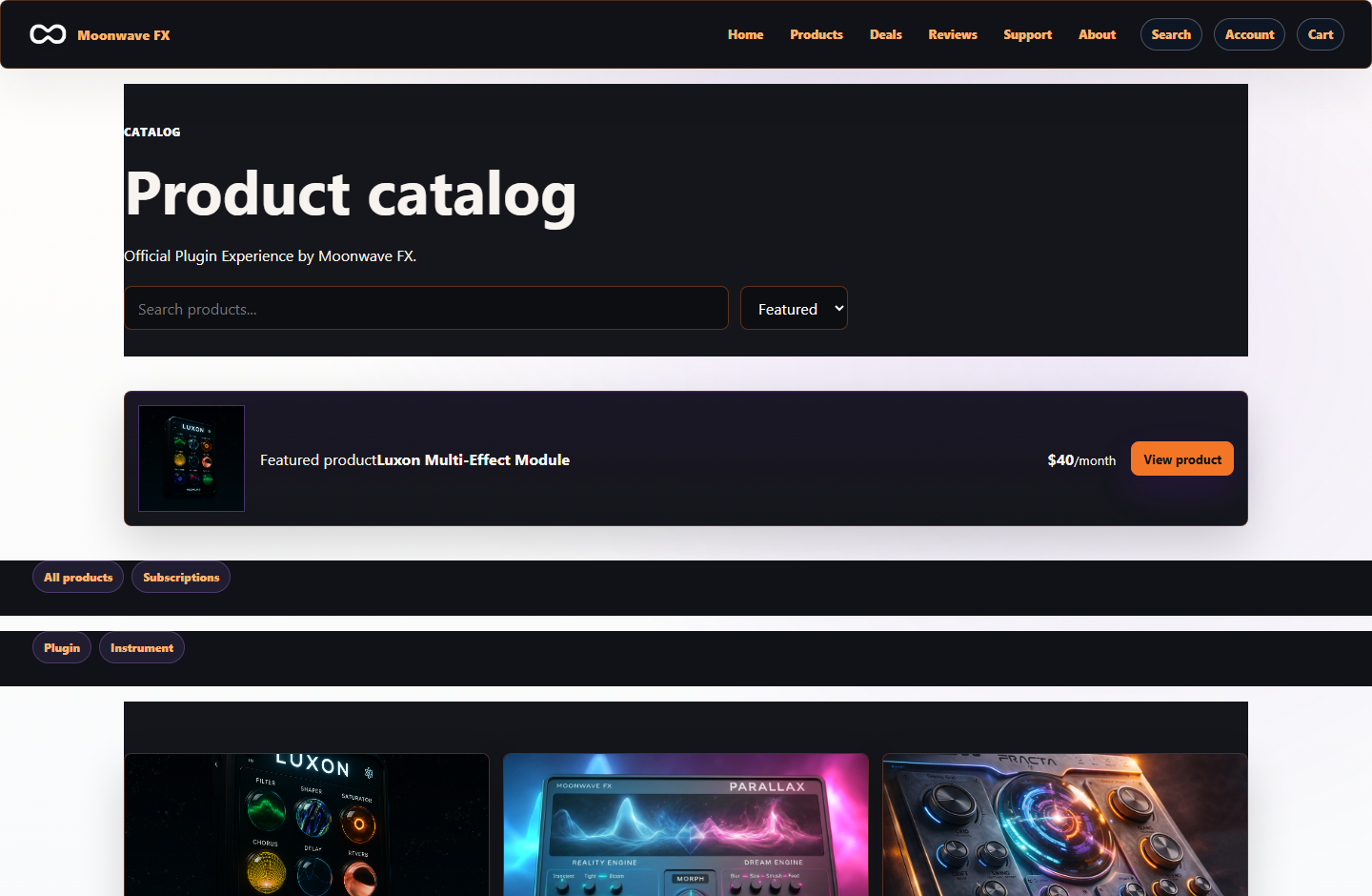
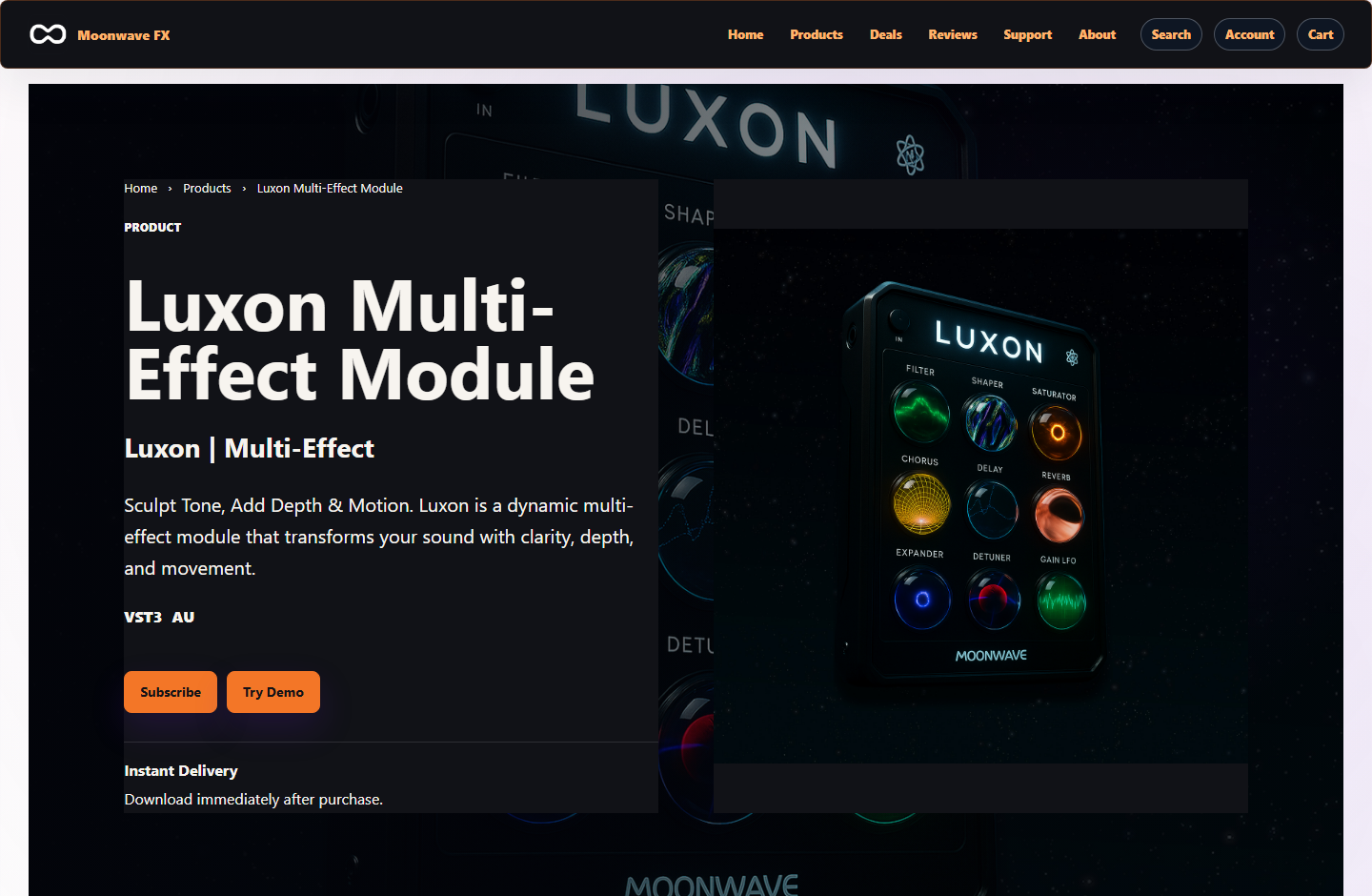
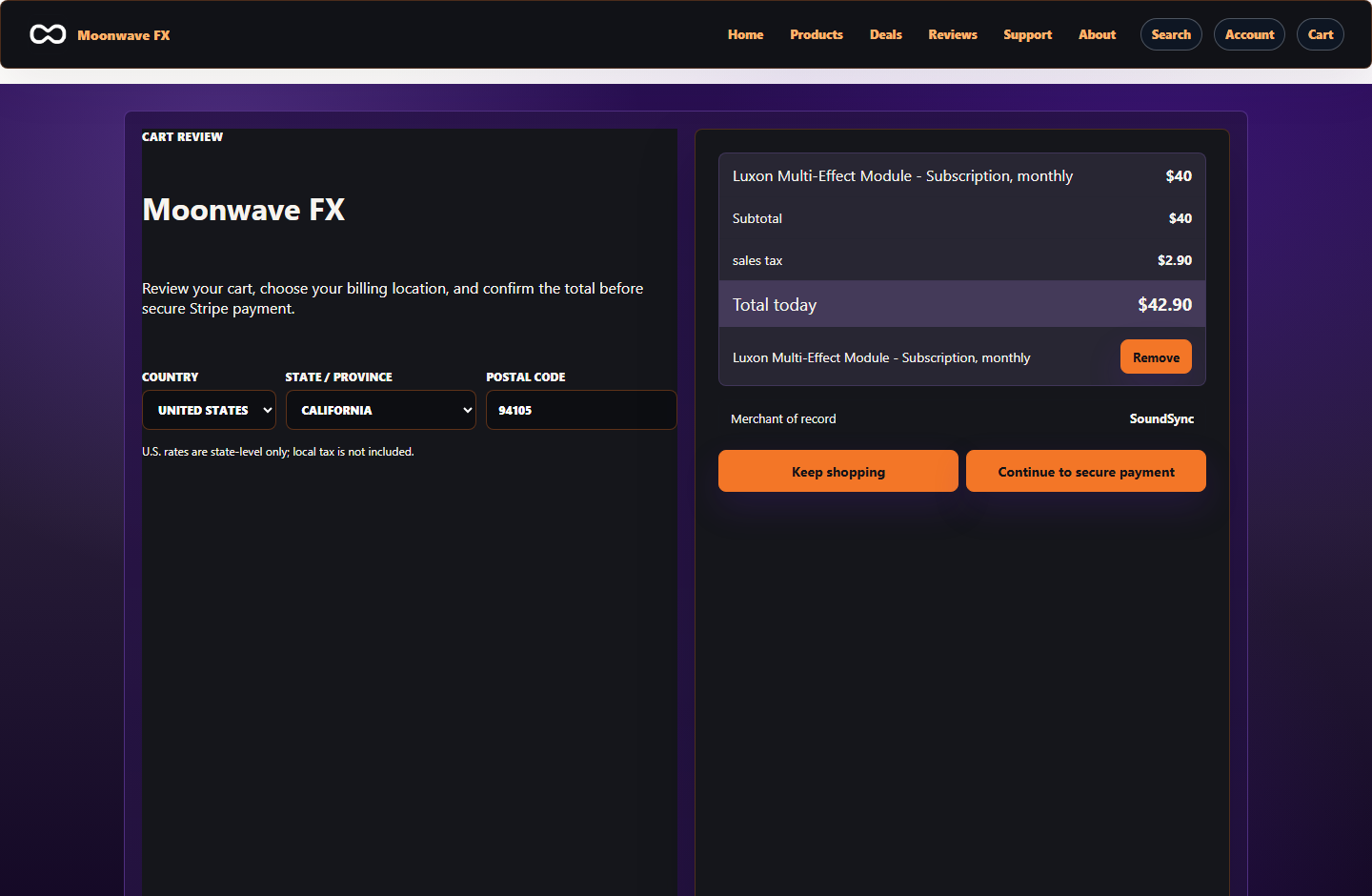
Full package versus standalone content
The full embedded storefront brings the supported commerce pages, routing, customer account, cart, and checkout entry together. A standalone catalog/page embed is useful for a selected content surface but does not necessarily include the complete customer journey.
Use the Website Builder Install/Embed controls and matching installation instructions. Keep the generated store/developer reference correct, retain the required assets, and do not paste developer credentials into public website code.
SoundSync
Validate the installation
-
Choose the installation model
Decide whether customers need the complete commerce flow or a supported isolated surface.
-
Install generated code
Use the current code for the saved store and host page, not another developer's snippet.
-
Check routing
Review direct links, browser back/forward, product navigation, and account return locations.
-
Check identity and checkout
Use the supported customer session/bridge path; never reuse a developer account token.
-
Test responsive display
Inspect catalog, product, cart, login, library, and support on desktop and mobile.
-
Review domain and brand
Confirm the intended host, logos, colors, support destinations, and any permitted external analytics.
Keep responsibilities explicit
The embed does not make unrelated pages or external transactions SoundSync-managed sales. Hosting configuration, privacy notices, optional analytics, and DNS remain part of the site owner's integration work. Hosted/embed parity is a release-testing goal, not proof that every third-party theme has identical behavior.
SoundSync
Inside SoundSync